Antibiotic Resistance: The Invisible Threat of Hospital Superbugs
Hospitals are sanctuaries of healing, places where advanced medical science combats disease and restores health. Yet, within their walls lurks an unseen adversary: antibiotic-resistant bacteria, colloquially known in Dutch as Ziekenhuisbacterie, or more universally, superbugs. These formidable microorganisms pose a growing global threat, transforming once-routine medical procedures into life-threatening gambles and making common infections incredibly difficult, if not impossible, to treat. Understanding the nature of these superbugs, their origins, and strategies for their prevention is paramount for safeguarding public health.
What Exactly is a Ziekenhuisbacterie? Understanding Superbugs and Their Resistance
The term Ziekenhuisbacterie serves as an informal, catch-all name for specific types of bacteria that have developed resistance to most, if not all, available antibiotics. These aren't entirely new species; rather, they are mutants of existing bacteria that have undergone a profound evolutionary shift. Through the relentless process of natural selection, driven by the overuse and misuse of antibiotics, these bacteria have acquired a remarkable degree of immunity.
This alarming phenomenon is not confined to human healthcare settings alone; it is also prevalent in industrial livestock farming. Many of these superbugs employ sophisticated defense mechanisms, such as producing enzymes like NDM-1, ESBL (Extended-spectrum beta-lactamase), or carbapenemase. These enzymes act like molecular scissors, hydrolyzing and neutralizing the active compounds in antibiotics, rendering the medication utterly ineffective.
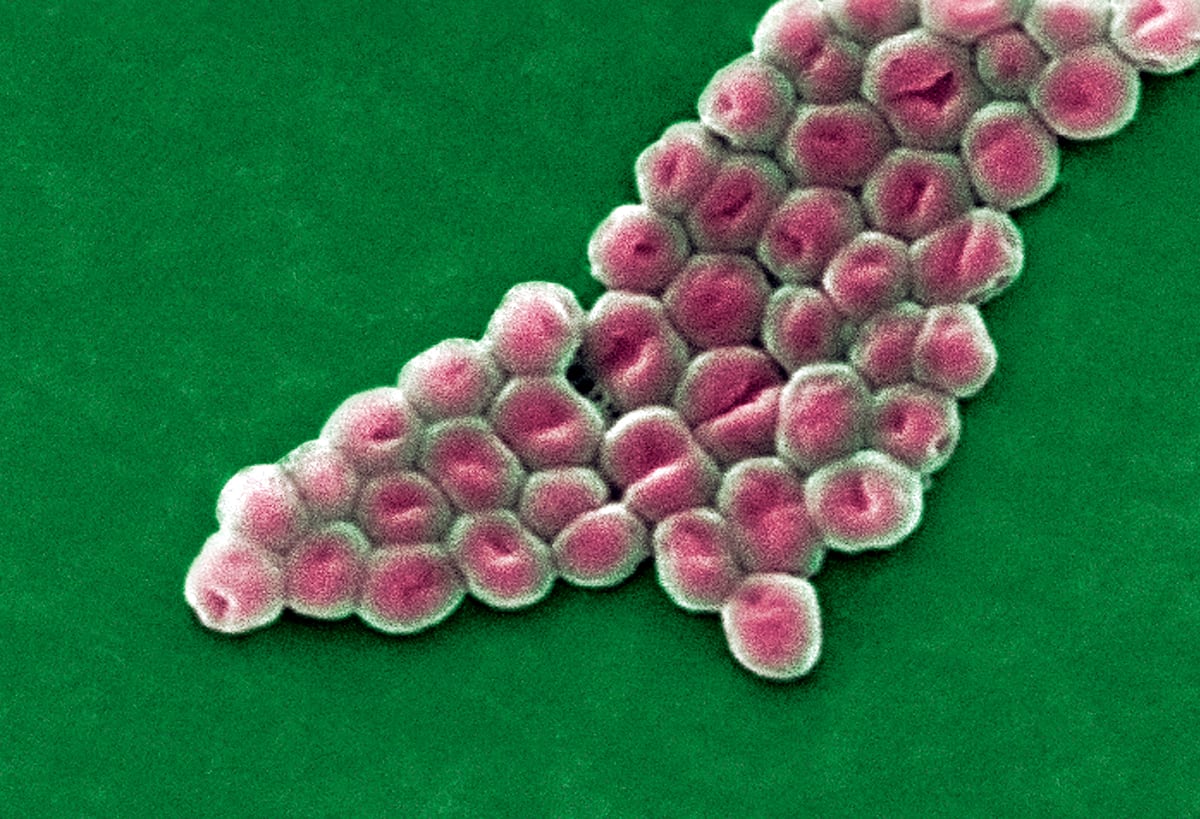
One of the most infamous and well-documented examples of a Ziekenhuisbacterie is Methicillin-resistant Staphylococcus aureus (MRSA). Initially, MRSA infections were almost exclusively confined to hospitals, despite rigorous hygiene protocols. However, around 1993, a variant of MRSA was first identified outside healthcare facilities, signifying its alarming spread into the wider community. This illustrates how an initially contained threat can evolve and expand its reach.
It's also important to note that resistance isn't limited to bacteria. When viruses, fungi, or parasites also develop significant resistance to standard treatments, the broader classification used is "Bijzonder Resistente Micro-Organismen" (BRMO), meaning "Particularly Resistant Microorganisms." This wider scope underscores the pervasive challenge of antimicrobial resistance across the microbial kingdom.
The Growing Concern: Why Ziekenhuisbacteriën Threaten Our Healthcare System
The rise of antibiotic-resistant bacteria presents a formidable challenge to modern medicine. When a patient contracts an infection caused by a Ziekenhuisbacterie, the conventional arsenal of antibiotics is often powerless. This makes treatment exceedingly difficult, prolongs recovery times, and dramatically increases the risk of severe complications, even death. For healthy individuals, carrying such a bacterium might not immediately lead to illness, as their robust immune systems can often keep the infection at bay. However, the scenario changes drastically within a hospital environment.
Hospitals are unique ecosystems where vulnerable populations converge: patients recovering from surgery, those with weakened immune systems due to illness or chemotherapy, and individuals with chronic conditions. In such a setting, an infection that a healthy person might shrug off can quickly escalate into a life-threatening crisis for a compromised patient. This is why healthcare facilities are acutely focused on preventing the introduction and spread of these microorganisms. Hospitals frequently employ screening questionnaires for patients admitted for surgery or invasive procedures, asking about recent stays in foreign healthcare institutions or contact with resistant bacteria. This proactive approach aims to identify potential carriers and implement isolation measures to prevent outbreaks within the facility.
The problem extends beyond the hospital walls. These are not merely "hospital-acquired infections" (HAIs) but increasingly recognized as "healthcare-associated infections" (HCAs), meaning they can be contracted in nursing homes, rehabilitation centers, and even through home care. The continued transmission and subsequent exposure to antibiotics only accelerates the evolutionary arms race, pushing bacteria to develop even greater resistance, making future infections even harder to combat. Without effective antibiotics, routine surgeries, organ transplants, and cancer therapies—all reliant on the ability to prevent and treat infections—could become incredibly risky or even impossible. This invisible threat has the potential to unravel decades of medical progress, taking us back to an era where a simple cut could be a death sentence.
Strategies for Prevention and Control: Combating the Ziekenhuisbacterie
Addressing the challenge of Ziekenhuisbacterie requires a multi-faceted approach, encompassing changes in medical practice, public awareness, and even agricultural policy. The cornerstone of prevention lies in improved hygiene and responsible antibiotic use.
- Enhanced Hygiene in Healthcare Settings: This remains a top priority. Rigorous hand hygiene for all healthcare professionals, thorough sterilization of equipment, and meticulous environmental cleaning are critical barriers against bacterial spread. Patients also have a role to play by practicing good hand hygiene and not being afraid to remind healthcare providers. For more in-depth information on this, consider reading Preventing Ziekenhuisbacterie: The Role of Hygiene and Antibiotic Policy.
- Responsible Antibiotic Stewardship: Physicians play a pivotal role in changing prescribing habits. Antibiotics should only be prescribed when truly necessary, at the correct dosage, and for the appropriate duration. Over-prescription for viral infections, for which antibiotics are ineffective, must be avoided. This also involves educating patients about the importance of completing the full course of antibiotics and not saving them for later.
- Agricultural Reforms: The connection between antibiotic use in livestock and human resistance is undeniable. Recognizing this, the European Union banned the use of antibiotics in animal feed for growth promotion as early as 2006. Furthermore, experiments in livestock farming have shown that providing animals with more space and reducing stress makes them less susceptible to diseases, thereby reducing the need for antibiotics in the first place. This "One Health" approach highlights the interconnectedness of human, animal, and environmental health in the fight against superbugs.
- Patient Screening and Isolation: As mentioned, hospitals implement screening protocols, including questionnaires, to identify patients who may be carrying resistant bacteria. This allows for timely isolation and specific infection control measures to prevent spread within the facility. For more on what to expect, check out Hospital Superbugs: What Patients Need to Know Before Admission.
- Research and Development: Investing in the discovery of new antibiotics, alternative therapies (like phage therapy), and vaccines is crucial. The pipeline for new antimicrobial drugs has significantly dried up in recent decades, making this area a critical frontier in the battle against resistance.
What Can You Do? Practical Advice for Patients and Caregivers
While the challenge of antibiotic resistance may seem daunting, every individual can contribute to the solution. Awareness and proactive measures are key:
- Understand Your Antibiotics: Never pressure your doctor for an antibiotic if they say it's not needed (e.g., for a common cold or flu). If prescribed, always take the full course, even if you start feeling better. Do not share antibiotics with others, and never use leftover prescriptions.
- Practice Good Hygiene: Regular and thorough handwashing with soap and water is one of the most effective ways to prevent the spread of infections, including resistant bacteria. Teach children the importance of hand hygiene.
- Be Proactive in Healthcare Settings:
- Before Admission: Be honest and thorough when filling out hospital questionnaires about past medical care or travel. This helps hospitals implement appropriate precautions.
- During Your Stay: Don't hesitate to ask healthcare providers if they have washed their hands. Ensure visitors also practice good hand hygiene. Keep your hospital room clean and avoid touching unnecessary surfaces.
- Maintain a Strong Immune System: A healthy lifestyle, including a balanced diet, regular exercise, and adequate sleep, strengthens your natural defenses, making you less susceptible to infections in general.
Conclusion
The rise of antibiotic-resistant bacteria, or Ziekenhuisbacterie, represents one of the most significant public health crises of our time. It's an invisible threat that has the potential to undermine the foundations of modern medicine, making common infections deadly once again. However, this challenge is not insurmountable. Through a concerted global effort, encompassing rigorous hygiene, judicious antibiotic use, innovative research, and informed public participation, we can slow the tide of resistance. It demands collective responsibility, from healthcare providers and policymakers to farmers and individual patients. By working together, we can protect the efficacy of antibiotics for future generations and ensure that hospitals remain places of healing, not sources of an invisible threat.